
 How-to
5 Non-Verbal Cues That Make or Break Global Negotiations
Last Updated: 13 November 2026
Quick Summary
Non-verbal communication shapes global negotiations by signalling trust, interest or caution before any number is discussed. Read your counterpart's posture, gaze, gestures and silence, and adjust your own signals to suit each market.
- Leaning forward often signals interest, while folded arms can signal caution.
- Eye contact norms vary across Europe, so check the local norm before holding a steady gaze.
- Some buyers pause to think, while others read silence as a sign to push harder.
- Watch the buyer before you fill a silence, and adjust your pace accordingly.
Table of Contents
- Body Language in Business Negotiations: Posture, Gestures and Facial Expressions
- Eye Contact in Different Cultures and How to Read Silence
- Frequently Asked Questions
Most negotiations in Europe are won or lost before a single number is discussed. A reader may hear a polite "yes" from a buyer while the body language says the opposite. Non-verbal communication is often the first signal you read, and it shapes how far a deal can go.
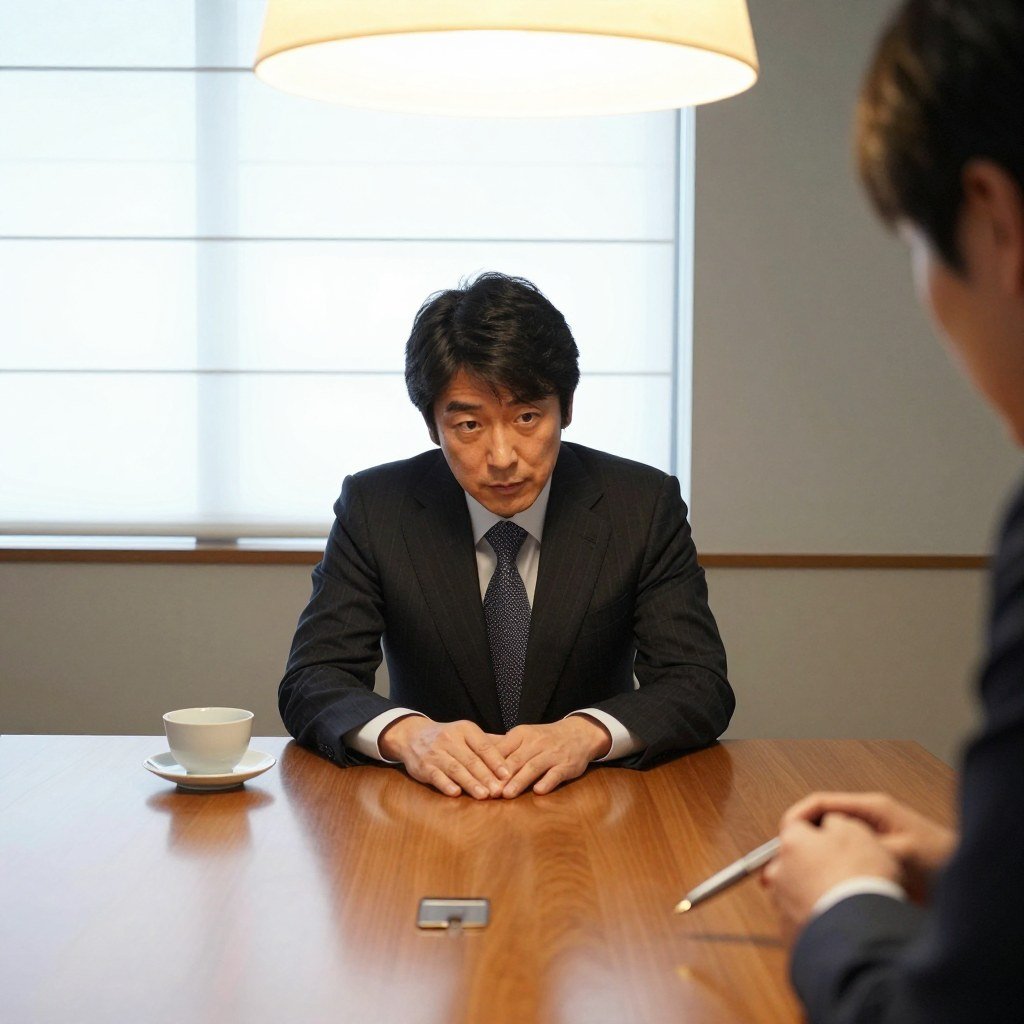
Effective non-verbal communication in global negotiations starts with noticing what your counterpart does, not only what they say. Posture, gaze, gestures and silence all carry meaning, building trust or quietly closing a door.
Body Language in Business Negotiations: Posture, Gestures and Facial Expressions
Posture and gestures set the tone within minutes. Leaning forward often signals interest, while folded arms can signal caution. Keep your own signals steady and open.

Eye Contact in Different Cultures and How to Read Silence
Eye contact norms vary widely across Europe, and a steady gaze that reads as confident in one market can feel confrontational in another. Silence works the same way: some buyers pause to think, while others see a pause as a sign to push harder. Watch for these cues and adjust your pace. The wider guide to European business cultural differences sets out how these habits vary across markets.
Effective non-verbal communication in global negotiations depends on reading these signals with care, and cross-cultural negotiation skills improve with practice. Where language gaps widen the risk of misreading, practical strategies for overcoming language barriers show how to bridge them.
The article's guidance on gaze and silence can be scanned at a glance in the table below.
| Cue | What it can signal | What to do |
|---|---|---|
| Steady gaze | Confidence in one market, confrontation in another | Check the local norm before you hold eye contact |
| Silence | Thinking time for some buyers, a push point for others | Watch the buyer before you fill the gap |
| Pace | Signals to adjust | Slow down or speed up as the cue suggests |
Frequently Asked Questions
Why is non-verbal communication important in global negotiations?
Non-verbal signals arrive before a counterpart has finished speaking, and they shape whether they trust what follows. In global negotiations, a gesture or pause that reads as confident in one market can read as dismissive in another. Teams that check their own posture, eye contact and tone against the cultural expectations of the other side avoid losing credibility early. Preparing for these differences before the first meeting is far cheaper than repairing a damaged relationship afterwards.
What role does silence play in cross-cultural negotiations?
Silence in negotiations is interpreted very differently from one culture to another. Some counterparts use a pause to reflect and consider an offer carefully, while others see it as discomfort or disengagement. Rather than filling the gap with concessions, hold your position calmly and let the other party speak next. Asking a clarifying question after a long pause often reveals whether the silence signals agreement, objection or simply thinking time.